
Blog right sidebar

We ensure quality & support. People love us & we love them. Lorem ipsum dolor sit amet, consectetur adipiscing elit.

    2015/11/14
  • BLOG
  • 0 Shares
  • 1311 Views

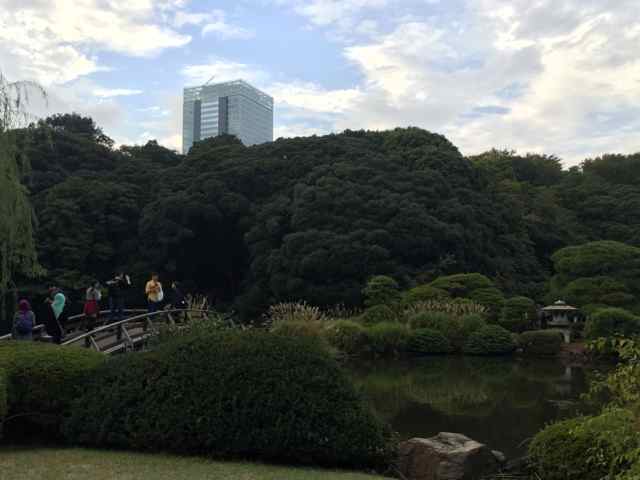
sinjuku gyoen garden

Now you understand three principles to enjoy Japanese garden in our previous post. The second principle, symbolization (mitate) is an important key to understand and enjoy a dry landscape garden or karesansui teien (枯山水庭園). As mentioned, a dry landscape garden is highly abstract. All natural objects such as mountains, water falls, flow of brook, and trees are represented by rocks, stones and moss. Some dry landscape gardens were designed to create the environment of zen training for zen monks. It is said that visitors are supposed to communicate with the garden silently and find your way of understanding the intention of the designer. This type of garden is designed to enjoy from inside the

Read More
    2015/11/13
  • BLOG
  • 0 Shares
  • 1946 Views

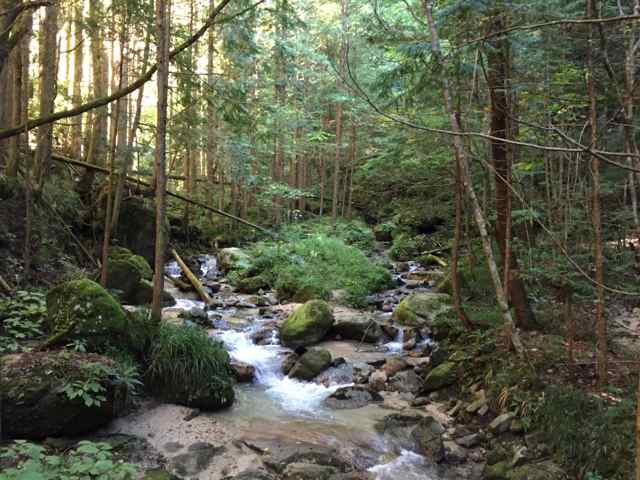
magome

The most distinctive difference between Japanese garden and western-style garden is that Japanese ones are made as natural as possible whereas western ones in general arrange trees and rocks geometrically. Japanese garden designers follow three basic principles which are miniaturization (shukukei), symbolization (mitate) and “borrowed views”(shakkei). And those three principles are key to enjoy Japanese garden.

The first principle, miniaturization is to create natural views of mountain and brooks in reduced scale. The intention is to recreate idealized scene in a city to enjoy. This is usually applied to pond garden. The symbolization is to find dynamic landscape in small objects. Well observed symbolization is to see an island, a cape, or an inlet in an artificially-made hill or in rocks set

Read More
    2015/11/12
  • BLOG
  • 0 Shares
  • 1356 Views

You may recall a stone garden when you hear a word “Japanese garden”. Yes, it is one type of Japanese garden out of three types. Let’s see what types of traditional gardens you can enjoy in Japan.

1) chisen teien (pond garden)
It is a type of Japanese garden with a pond in the center and most often observed in many regions of Japan. Usually it is large and you are supposed to enjoy the garden by walking around the pond. Its origin dates back to gardens of nobility in 7th century and established during Edo period (1603-1867). The ones made during this period have several view spots which imitated famous landscapes in all over Japan. Often there are small tea houses or arbors in the garden to rest.

The famous gardens of

Read More
    2015/11/11
  • BLOG
  • 0 Shares
  • 1801 Views

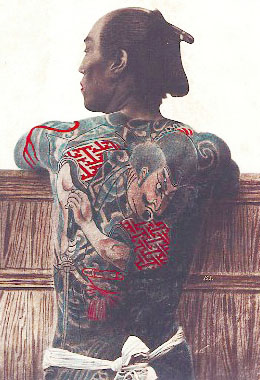
tattoo

Tourists who are inked should be aware that, in general, Japan has a negative attitude about tattoos that make accessing certain facilities more challenging. Although tattoos are quite commonplace in most western countries, and are becoming popular with younger demographics here, many older Japanese view them as explicitly crime-related. Fans of Japanese cinema and video games will easily recognize the ornate, full-body tattoos worn by the Yakuza. Additionally, similar to the public shaming described in Nathaniel Hawthorne’s The Scarlet Letter, the Tokugawa Shogunate used to punish convicted criminals with forehead tattoos detailing their various offenses.

Although the public shaming of criminals in this way has been long since abandoned, tattoos are still very popular among members of Japan’s underworld. Japanese often view

Read More